From Worried Nights to Peaceful Rest: How Simple Tech Lets You Care for Aging Parents Without Stress
Caring for aging parents often means sleepless nights and constant worry—especially when they live far away. You want them safe, but you can’t be there 24/7. What if small, smart changes at home could bring real peace of mind? I’ve seen how gentle technology, not complicated gadgets, transforms fear into confidence. It’s not about surveillance; it’s about support. This is how one family turned anxiety into calm—one simple device at a time.
The Quiet Fear No One Talks About
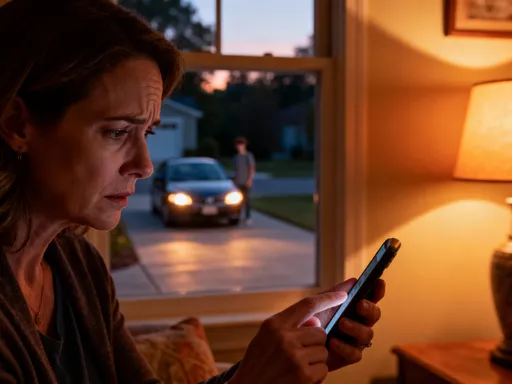
Let me tell you something I didn’t expect to feel: guilt. Not the kind you get from skipping a workout or forgetting a birthday. This was deeper. It started when my mom moved back into her old house after Dad passed. She wanted to stay in the home she loved, and I wanted that for her too. But every time the phone rang late at night, my heart dropped. Was she okay? Had she fallen? Did she forget to take her medicine again? I lived three hours away, and that distance felt like a chasm when worry hit.
I wasn’t alone. So many women I’ve talked to—friends, neighbors, even strangers at book club—share this quiet fear. We love our parents. We want them to live independently. But we also want to know they’re safe. The truth is, most of us aren’t prepared for how heavy this responsibility feels. It’s not just about meals or doctor visits. It’s the mental load of always wondering: Is everything okay right now? That constant hum of anxiety wears you down. It steals your sleep. It makes you short-tempered with your kids. It turns a simple phone call into a detective mission: Did her voice sound weaker? Was there a pause before she said she was fine?
And here’s what no one tells you: you don’t have to live like this. You don’t have to choose between your parent’s freedom and your own peace of mind. There’s a better way. It’s not about moving them into assisted living or hiring round-the-clock care—though those are valid choices for some. It’s about something quieter, gentler, and surprisingly simple: using everyday technology to stay connected in a way that respects their independence and protects your heart.
Redefining Safety: It’s Not About Cameras or Alarms
When I first heard about tech for seniors, I pictured something out of a spy movie—cameras in every room, alarms blaring at midnight, a screen flashing like a control room. That’s not what this is. Not at all. Real safety for older adults isn’t about watching them. It’s about knowing they’re living their lives as they always have—with a little backup, just in case.
Think of it like a seatbelt. You don’t wear one because you plan to crash. You wear it because accidents happen, and you want to be ready. The same idea applies here. Modern tools for aging in place aren’t about control. They’re about care. They work quietly, in the background, like a friend who’s always listening but only speaks up when something’s wrong.
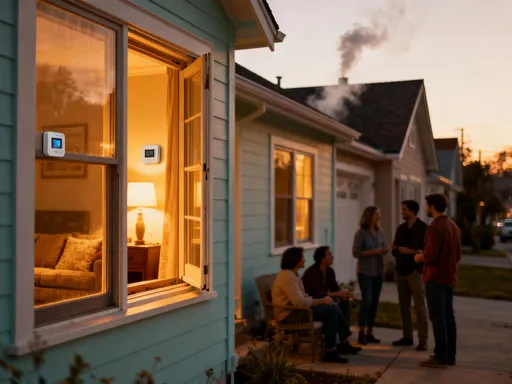
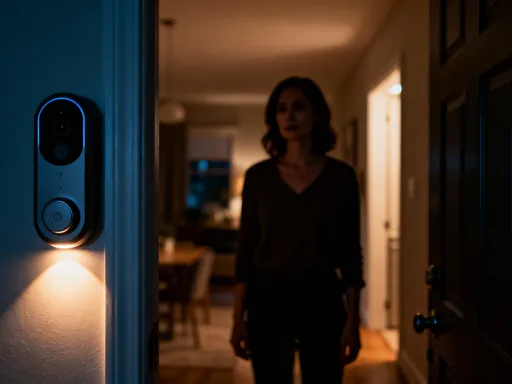
Take motion sensors, for example. They’re not fancy. They’re small, white rectangles you stick to the wall like a smoke detector. But when placed in key areas—near the bedroom door, by the kitchen, in the hallway—they can tell you if your parent got up in the morning, made coffee, or used the bathroom at night. No cameras. No microphones. Just a gentle signal that life is moving as it should. If nothing happens when it usually does—say, no movement by 9 a.m.—you get a quiet alert on your phone. Not a siren. Not a panic. Just a nudge: Hey, maybe check in.
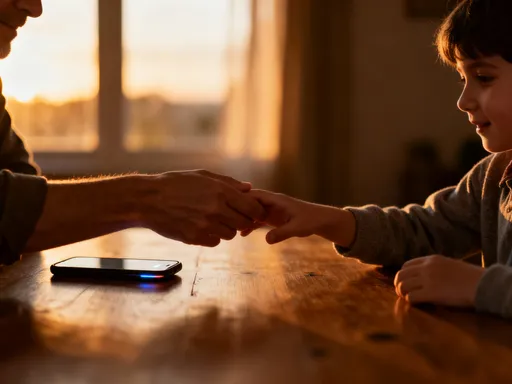
That’s the shift. It’s not about surveillance. It’s about support. It’s knowing your mom is still making her morning toast without having to call and ask. It’s giving her space to live while holding her hand from afar. And the best part? These tools don’t change her routine. She doesn’t have to remember to wear a button or charge a device. The technology adapts to her life—not the other way around.
The Morning Check-In That Changed Everything
I’ll never forget the first time it worked. My sister Sarah had set up a simple motion sensor near Mom’s kitchen. We didn’t tell Mom much—just that it was part of a “smart home upgrade” for energy savings. (We weren’t trying to hide it, but we also didn’t want her to feel watched.) The morning after installation, I woke up to a soft chime on my phone. Not a text. Not a call. Just a little green dot on an app that said, “Motion detected: Kitchen – 7:14 a.m.”
That’s it. Just those words. But I felt a wave of relief so strong it brought tears to my eyes. She was up. She was moving. She’d started her day. No phone call needed. No guilt about bothering her too early. No guessing if she was really okay. Just proof—quiet, simple proof—that life was going on as usual.
Before this, my mornings started with anxiety. I’d lie in bed, wondering if I should call. If I did, I might interrupt her breakfast. If I didn’t, I’d spend the day worrying. Now, I check the app once—usually while brushing my teeth—and if I see that kitchen light up, I can breathe. If I don’t? Then yes, I call. But now it’s a real check-in, not a daily interrogation. And Mom noticed the difference too. “You’re not calling as much,” she said one day. “I like it. Feels like you trust me.”
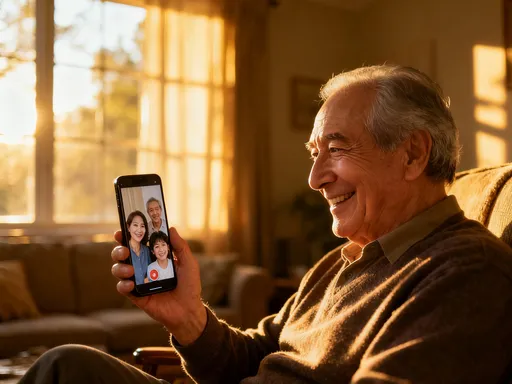
That hit me hard. Because I did trust her. I just didn’t trust the silence. And now, the tech fills that gap—not with noise, but with reassurance. It’s not replacing our relationship. It’s protecting it. We talk now about books, recipes, and grandkids—not just “Are you okay?” That’s the gift: more real connection, less fear.
How Technology Became a Silent Partner in Care
Once we got comfortable with the motion sensor, we added a few more quiet helpers. None of them are flashy. None require Mom to do anything differently. But together, they’ve made a huge difference in how we care for her—and how she lives her days.
One of the most useful? A water leak detector under the sink. You’ve probably seen these—they’re about the size of a hockey puck. We put one under the kitchen sink and another by the washing machine. A few months ago, it saved her home. The washing machine hose had a tiny crack, and water was slowly pooling on the floor. The detector sent an alert to my phone and Sarah’s. We called Mom, and she found the leak before it caused any real damage. No flooded basement. No ruined floors. Just a quick fix and a deep breath. “I had no idea,” she said. “I was in the garden!”
Another game-changer: smart lighting. Not for security. For safety. We installed motion-activated nightlights in the hallway and bathroom. Now, when she gets up at night, the path lights up softly—no fumbling for switches, no risk of tripping. It’s especially helpful during winter when the nights are long and the floors are cold. She doesn’t have to think about it. The house just knows.
And then there’s the smart thermostat. It’s not just about comfort. It’s about health. When temperatures drop in winter, we make sure her home stays warm enough—no hypothermia risk. In summer, it keeps things cool without her having to adjust anything. We can check the temperature from our phones and adjust it remotely if needed. Last January, during a cold snap, I turned up the heat a few degrees before a storm hit. She never even knew—just woke up to a cozy house.
These tools don’t do everything. They can’t replace a visit or a hug. But they do something powerful: they prevent small problems from becoming big crises. And that means fewer emergencies, fewer late-night calls, and more days where everyone feels safe and calm.
Setting It Up: Easier Than You Think
I know what you’re thinking: “This sounds great, but I’m not tech-savvy. I can barely set up the printer.” I was there too. The idea of installing sensors, downloading apps, and connecting devices felt overwhelming. But here’s the truth: it’s easier than baking banana bread. Seriously.
Most of these devices are designed for people like us—busy, caring, not engineers. You don’t need special tools. You don’t need to rewire the house. Everything runs on batteries or plugs into a regular outlet. And setup usually takes less than 10 minutes per device.
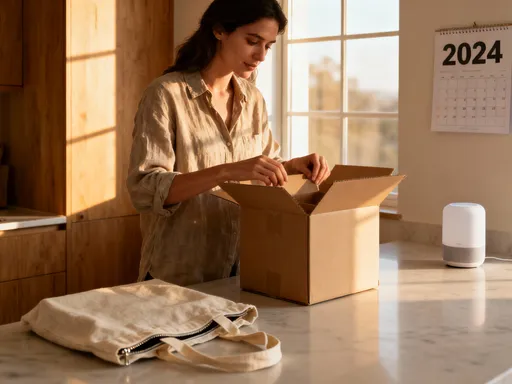
Here’s how we did it: First, we picked one device to start—the kitchen motion sensor. We chose a brand that’s popular and well-reviewed (you can find them at most big electronics stores or online). We opened the box, stuck the sensor to the wall with the included adhesive strip, downloaded the free app, and connected it to our home Wi-Fi. That’s it. Then, we added our phone numbers so alerts would come to both of us.
No complicated coding. No IT support. Just follow the app’s steps—it walks you through everything. We did the same with the water detector and smart thermostat. Each one took less than 15 minutes. And the best part? Mom didn’t have to do anything. We did it while she was at her book club.
If you’re nervous, start small. Pick one thing that worries you most—like “I wish I knew she got up in the morning” or “I’m scared of a fire from the stove.” Then find a tool that addresses that. A stove shut-off device, for example, turns off the burner if no one’s been in the kitchen for a certain time. It’s like a safety net for forgetfulness.
And remember: you don’t have to do it all at once. One device can make a big difference. Once you see how easy it is—and how much peace it brings—you’ll probably want to add more. But even one small change can lift a huge weight off your shoulders.
What It Really Feels Like: Calm, Not Control
The other night, I woke up to a text from the app: “No motion detected in bedroom after 7 a.m.” My heart skipped a beat. But instead of panic, I felt something new: preparedness. I called Mom. No answer. So I called her neighbor, who agreed to check in. Five minutes later, I got a call: Mom was fine. She’d slept in because she’d stayed up late watching a movie.
That used to be a full-blown crisis for me. I would’ve driven the three hours just to make sure. But this time? I laughed. I felt relief, not guilt. And when Mom called back, we talked about the movie, not my worry. That’s the shift. The tech didn’t take away my love or concern. It took away the fear that used to drown it out.
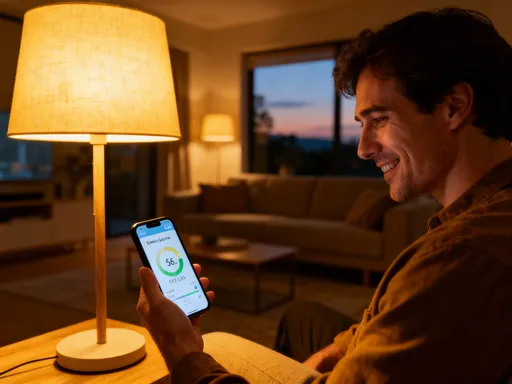
Nights are different now. I don’t lie awake imagining the worst. I sleep. I dream. I wake up rested. And when I do check the app, it’s not with dread—it’s with quiet gratitude. Because I’m not watching her. I’m watching over her.
My sister says it best: “It’s like we have a guardian angel in the house. One that doesn’t judge, doesn’t nag, just whispers when something’s off.” We’re not controlling her life. We’re protecting ours—from the exhaustion, the guilt, the what-ifs. And in return, we can show up as better daughters, better sisters, better friends. We can listen. We can laugh. We can just be with her—without the shadow of fear.
A Future Where Care Feels Lighter
I used to think caregiving meant sacrifice. That I had to give up my peace to keep her safe. But I’ve learned something different. Real care isn’t about carrying the weight alone. It’s about finding ways to share it—whether with family, with community, or with quiet, thoughtful technology.
More and more families are discovering this. It’s not about replacing human connection. It’s about protecting it. It’s about making sure the people we love can live with dignity, and the people who love them can live with calm. You don’t have to choose between your parent’s independence and your own well-being. You can have both.
And the best part? This isn’t the future. It’s here. Today. You don’t need a fortune or a tech degree. You just need one small step. One sensor. One device. One moment of saying, “I’m tired of worrying. Let’s try something new.”
Because peace of mind isn’t a luxury. It’s a necessity. For your parent. For you. For your family. And sometimes, the quietest tools make the loudest difference. So go ahead. Take that first step. Your heart—and theirs—will thank you.