Why Are You Still Guessing Where They Are When You Can Know for Sure?
Have you ever waited at the airport, wondering if your sister’s flight landed safely? Or paced the living room, eyes glued to the clock, unsure when your teenager will finally pull into the driveway? We’ve all been there—stuck in that anxious limbo. But what if you could replace worry with calm certainty, not through constant calls, but with a simple, quiet glance at your phone? Technology is no longer just about convenience—it’s about peace of mind. It’s about knowing, without asking, that the people you love are safe, on their way, and within reach. And one of the most powerful tools we already have in our pockets can do exactly that.
The Moment That Changed Everything: When Worry Turned Into Relief
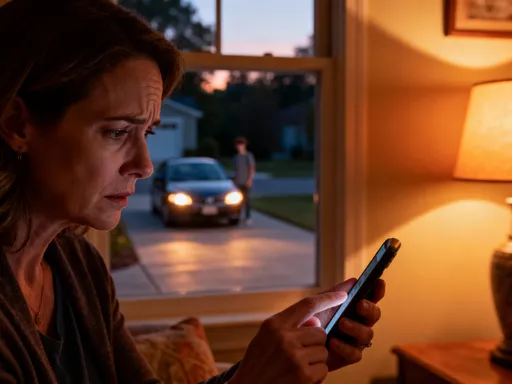
I remember it like it was yesterday. My daughter, Emily, had just started driving—her learner’s permit freshly laminated and proudly tucked into her wallet. She was heading home from her first solo trip to the library, a route she’d practiced with me dozens of times. Still, as the minutes ticked past her expected arrival time, my stomach tightened. I told myself not to panic. Maybe she stopped for a snack. Maybe she got caught at a light. But the silence was heavy. No texts. No calls. Just me, staring at the empty street, heart pounding with every passing car that wasn’t hers.
Then, almost as an afterthought, I opened the family sharing app on my phone. There it was—her little blue dot, moving steadily down the main road, just five minutes away. She was fine. She’d taken a wrong turn and was recalibrating. In that moment, something shifted. The knot in my chest loosened. The fear melted into relief. I didn’t need to call. I didn’t need to scold or worry. I just needed to know—and suddenly, I did.
That was the first time I truly understood the emotional power of vehicle location tracking. It wasn’t about control. It wasn’t about surveillance. It was about care. It was about being able to breathe again when the unknown was replaced with certainty. For so many of us, especially as parents, spouses, or caregivers, the mental load of worrying about loved ones is real. We carry it quietly, in the background of every busy day. But technology, when used with love and intention, can help lift that weight.
Beyond GPS: How Tracking Fits Into Real Life Without Feeling Invasive
Now, I know what some of you might be thinking. “Location tracking? Isn’t that a bit… creepy?” It’s a fair question. The phrase can sound cold, even a little dystopian—like something out of a spy movie. But in reality, the way most of us use it today is nothing like that. It’s not about watching. It’s about knowing. And there’s a big difference.
Think of it like this: when you share your location with someone, it’s not a one-way surveillance system. It’s a mutual agreement, a shared thread of connection. It’s like saying, “I care where you are, and I want you to know where I am too.” Most modern apps—like those built into smartphones or trusted family tools—require consent. Everyone involved chooses to participate. You decide who sees your location, for how long, and when to turn it off. It’s not forced. It’s not hidden. It’s a conscious choice to stay connected.
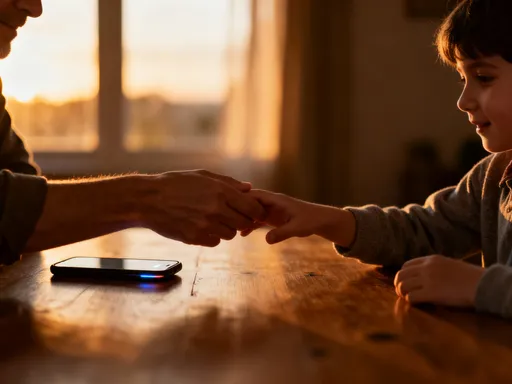
For example, my sister and I use location sharing when we’re both driving to our mom’s house for Sunday dinner. Instead of playing phone tag—“Are you leaving now?” “Did you get on the highway?” “Should I start the roast?”—we just check the app. When I see her blue dot merge onto the interstate, I know she’s on her way. When she sees mine pulling into the driveway, she knows it’s time to wrap up her playlist. It’s seamless. It’s stress-free. And it feels natural, like a small digital handshake between sisters who want to make life easier for each other.
The key is trust. When used with care, location tracking doesn’t erode privacy—it enhances connection. It removes the need for constant check-ins, which can feel nagging or controlling. Instead, it offers a quiet, respectful way to stay in sync. It’s not about suspicion. It’s about support. And when everyone understands that, it stops feeling like monitoring and starts feeling like caring.
School Runs, Work Trips, and Weekend Getaways: Tracking That Adapts to Your Rhythm
Let’s be honest—life doesn’t run on a perfect schedule. Kids get out of school early. Meetings run late. Traffic jams appear out of nowhere. And then there’s the weekend getaway that turns into an unexpected detour because someone saw a sign for “World’s Largest Ball of Twine.” We don’t live in spreadsheets. We live in messy, beautiful, unpredictable moments. And that’s where location tracking really shines—not as a rigid system, but as a flexible companion to real life.
Take school days, for instance. My youngest, Jake, is in middle school, and his after-school activities change weekly. One day it’s soccer practice, the next it’s math club, the next he’s staying late to help with the school play. Instead of calling the school office or texting him ten times, I can simply check our shared map. When I see his dot moving toward home, I know it’s time to start dinner. If he’s lingering at school, I don’t panic—I just wait. And when he forgets his phone charger (which, let’s be real, is often), his dad can check the car’s location to make sure he got picked up safely.
Or think about work trips. My husband travels for business a few times a year. When he’s on the road, I don’t need to text “Did you leave the hotel?” or “Are you at the airport yet?” I can just glance at my phone and see that his rental car is moving smoothly down the highway. If there’s a delay, I see it in real time and can adjust my evening plans accordingly. It’s not about tracking his every move—it’s about reducing the mental clutter of uncertainty.
And then there are the family road trips. Remember that time we drove six hours to the lake, only to realize halfway there that we forgot the cooler? With location sharing, we could have avoided that. One of us could have checked the house location, seen the car still in the driveway, and turned back before wasting two hours. Or better yet—sent someone back while the rest of us kept going. These tools don’t just prevent frustration. They create space for more joy, more laughter, and fewer “I told you so” moments around the campfire.
Safety Without the Stress: When You Need It Most, It’s Already There
No one plans for emergencies. They happen—sometimes in the blink of an eye. A sudden storm. A patch of black ice. A distracted driver in the next lane. And in those moments, every second counts. That’s when location tracking transforms from a helpful tool into a lifeline.
Many modern vehicles and apps now come with features that go beyond simple location sharing. Some can detect if a car has been in a crash and automatically send an alert to emergency contacts. Others allow you to set up geofences—virtual boundaries that notify you when someone enters or leaves a specific area, like school or home. These aren’t futuristic fantasies. They’re real, accessible tools that are already on millions of phones and cars.
I’ll never forget the time my neighbor, Linda, got a notification that her daughter’s car had stopped moving on a rural road late at night. No call. No text. Just a silent alert. Linda didn’t panic—she called her daughter calmly, only to learn she’d had a flat tire and was trying to figure out what to do. Because Linda knew exactly where she was, she was able to call roadside assistance with the precise location and even drive out to wait with her until help arrived. That small feature didn’t just save time. It saved peace of mind.
For older parents or those with health concerns, this kind of technology can be even more meaningful. Imagine knowing that if your mom takes her usual drive to the grocery store and her car stops unexpectedly, you’ll be alerted. You can check in, call for help, or even notify nearby family members. It’s not about living in fear. It’s about being prepared. It’s about giving yourself the gift of readiness, so when something goes wrong, you’re not left helpless.
And here’s the beautiful part: these tools work quietly in the background. You don’t have to think about them every day. But when you need them, they’re already there—like a seatbelt you didn’t know you were wearing until the moment it saved you.
How to Start Using It Today: Simple Steps for Real Families
If you’re thinking, “This sounds great, but I’m not exactly tech-savvy,” don’t worry. You don’t need to be. Setting up location sharing is easier than most of us expect, and you probably already have the tools you need. Most smartphones—whether iPhone or Android—come with built-in location sharing features that are free, secure, and simple to use.
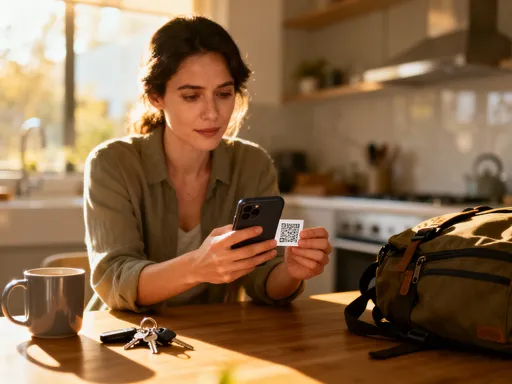
Let’s walk through it together, step by step. First, open your phone’s messaging or maps app. On an iPhone, you can share your location directly from a text thread. Just tap the “i” in the top corner, then “Share My Location,” and choose how long—five hours, until the end of the day, or indefinitely. On Android, you can use Google Maps: tap your profile picture, select “Location sharing,” and pick who to share with and for how long. You can stop sharing anytime with one tap. It’s that simple.
Now, the most important part: talking about it. This isn’t just a tech setup. It’s a family conversation. Sit down with your partner, your teen, your aging parent—anyone you’d like to share with—and explain why you’re doing it. Say something like, “I’m not trying to watch you. I just want to know you’re safe. And I’m happy to share my location with you too.” Make it mutual. Make it respectful. And let them decide when and how long to share.
You might also want to explore family-focused apps like Life360 or Find My, which offer additional features like driving reports, speed alerts, or low-battery warnings. These can be especially helpful for parents of teen drivers. But remember: the goal isn’t to micromanage. It’s to support. So set boundaries together. Agree on what feels comfortable. And always respect the choice to pause or stop sharing.
The beauty of this technology is that it grows with your family. You don’t have to get it perfect on day one. Start small. Try it for a weekend trip. See how it feels. Adjust as needed. The most important thing is that it serves your family’s needs—not the other way around.
The Quiet Confidence It Brings: More Than Just Knowing a Location
Over time, something subtle but powerful happens when families use location tracking thoughtfully. The constant mental check-ins start to fade. The “Did you leave yet?” texts become rare. The anxiety that used to live in the background—especially for parents—begins to soften. And in its place, something new grows: quiet confidence.
It’s not the loud, boastful kind of confidence. It’s the kind that lets you focus on your own day without distraction. It’s the ability to sit through a work meeting knowing your child got home safely from school. It’s the calm you feel when your spouse is driving home late at night, and you can see their steady progress on the map. It’s freedom—from worry, from guesswork, from the need to constantly reach out.
And for the people being tracked? It’s not about feeling watched. It’s about feeling cared for. My daughter told me recently, “Mom, I don’t mind that you can see where I am. It actually makes me feel safer, knowing you’re just a tap away if I need you.” That’s the shift. It’s not surveillance. It’s support. It’s not control. It’s connection.
Couples notice it too. One friend told me that since she and her husband started sharing locations, their arguments about being late have almost disappeared. “We don’t assume the worst anymore,” she said. “We see the traffic jam on the map and just say, ‘No worries, take your time.’” That’s the magic—technology reducing friction, not creating it.
This quiet confidence isn’t about giving up privacy. It’s about choosing connection. It’s about saying, “I trust you, and I want you to know I’m here.” And over time, that small shift in mindset can transform the emotional rhythm of a family.
A Smarter, Kinder Way to Stay Close
We live in a world that pulls us in a hundred directions. Work. Kids. Parents. Homes. Hobbies. It’s easy to feel stretched thin, to worry about the people we love even when we’re not with them. But what if we could close that gap—not with more calls, more texts, more anxiety—but with a little bit of smart, thoughtful technology?
Vehicle location tracking, when used with love and respect, isn’t about watching. It’s about caring. It’s not about control. It’s about connection. It doesn’t replace the things that matter most—hugs, conversations, shared meals. Instead, it clears away the noise so those moments can shine brighter.
It’s a small thing, really. Just a dot on a screen. But for so many of us, that dot represents something much bigger: peace. Safety. Love. It’s the difference between wondering and knowing. Between fear and trust. Between living in the past, replaying “what ifs,” and living in the present, fully and calmly.
So if you’ve been hesitating—if you’ve thought this was too techy, too invasive, too much—try looking at it differently. See it not as a gadget, but as a gesture. A way to say, “I care. I’m here. You’re not alone.” Because in the end, the best technology isn’t the one that does the most. It’s the one that helps us feel more human.