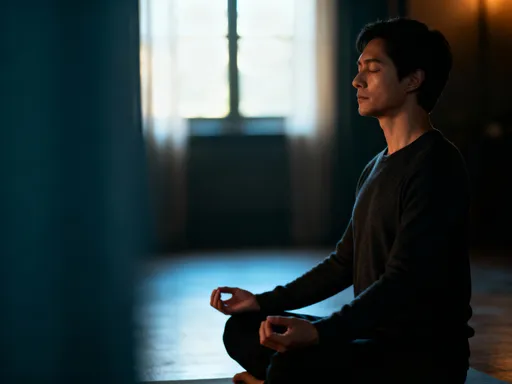
How I Retrained My Brain to Calm Anxiety — A Real Systematic Approach
Anxiety doesn’t have to control your life. For years, I struggled with constant worry, sleepless nights, and that never-ending loop of “what ifs.” It wasn’t until I discovered a structured, step-by-step method focused on mental rehabilitation that I finally found relief. This isn’t a quick fix—it’s a science-backed process that reshapes how your brain responds to stress. The journey required patience, consistency, and a willingness to face discomfort. But over time, I learned how to respond differently to my thoughts and sensations. If you're tired of temporary solutions like deep breathing alone or trying to “think positive,” this journey might be exactly what you need. True change comes not from suppressing anxiety, but from retraining the mind.
Understanding Anxiety: More Than Just Stress
Anxiety is often mistaken for stress, but they are not the same. Stress is a response to a specific external pressure—a deadline, a conflict, or a demanding situation—and typically fades once the trigger is gone. Anxiety, however, persists. It continues even in the absence of immediate danger, often escalating into a cycle of repetitive thoughts, physical tension, and emotional unease. At its core, anxiety is a neurological and physiological response. It involves the activation of the amygdala, the brain’s threat detector, which signals the body to prepare for danger through the release of stress hormones like cortisol and adrenaline.
When anxiety becomes chronic, it forms well-worn neural pathways in the brain. Every time a person experiences anxious thoughts—such as “What if I fail?” or “Something bad is going to happen”—the brain reinforces these connections, making them easier and faster to activate in the future. This is known as neuroplasticity, the brain’s ability to reorganize itself by forming new neural connections. While this adaptability is usually beneficial, it can work against us when negative patterns become habitual. The brain begins to interpret neutral or low-risk situations as threats, creating a false alarm system that runs too frequently.
The good news is that because the brain is capable of change, anxiety can be unlearned. Just as bad habits are formed through repetition, they can be replaced with healthier responses through consistent, deliberate practice. This is not about eliminating anxiety entirely—some level of anxiety is natural and even helpful in certain situations—but about restoring balance. By understanding anxiety as a learned pattern rather than a fixed trait, individuals can begin to see it as something that can be reshaped, much like learning a new skill or breaking an unwanted habit. This shift in perspective is the first step toward lasting recovery.
Why Traditional Coping Methods Fall Short
Many people rely on common coping strategies to manage anxiety, such as avoiding stressful situations, distracting themselves with television or social media, or seeking constant reassurance from others. While these methods may provide temporary relief, they often do more harm than good in the long run. Avoidance, for example, might make someone feel safer in the moment, but it reinforces the belief that the avoided situation is dangerous. Each time a person escapes an anxiety-provoking scenario, the brain learns that avoidance is necessary for survival, strengthening the fear response instead of reducing it.
This pattern is known in psychology as experiential avoidance—the attempt to suppress, escape, or neutralize uncomfortable internal experiences such as thoughts, feelings, or bodily sensations. While it’s natural to want to avoid discomfort, doing so prevents the nervous system from learning that these experiences are not actually harmful. Over time, experiential avoidance narrows a person’s life, leading to increased isolation, dependency on safety behaviors, and a growing sense of helplessness. A woman who avoids grocery shopping due to panic attacks may eventually rely on delivery services, then stop leaving the house altogether, unintentionally shrinking her world.
In contrast, rehabilitation-based approaches focus on building tolerance and resilience rather than seeking immediate relief. These methods encourage individuals to stay present with their anxiety, observe it without judgment, and allow it to rise and fall naturally. This process teaches the brain that anxiety, while uncomfortable, is not dangerous. Unlike quick fixes that offer short-term comfort, systematic training builds long-term confidence by proving through experience that one can handle uncertainty and discomfort. The goal is not to feel calm all the time, but to develop the ability to remain functional and grounded even when anxious.
The Foundation of Systematic Rehabilitation Training
The key to overcoming chronic anxiety lies in systematic rehabilitation—a structured, science-based approach that retrains the brain and nervous system. This method draws from principles of cognitive-behavioral therapy (CBT), exposure therapy, and neuroscience to create lasting change. At its foundation are four core elements: neuroplasticity, exposure, regulation, and repetition. Together, these components form a protocol that mirrors physical rehabilitation. Just as someone recovering from an injury follows a progressive exercise plan, anxiety recovery requires gradual, consistent practice to rebuild mental strength and flexibility.
Neuroplasticity is the brain’s ability to adapt and reorganize based on experience. When applied to anxiety, this means that new, healthier thought and behavior patterns can replace old, maladaptive ones. But this change does not happen overnight. It requires repeated activation of the desired response until it becomes the default. Exposure is another critical component. Controlled, intentional exposure to feared thoughts, sensations, or situations allows the nervous system to learn that they are not threats. Over time, this process—called habituation—reduces the intensity and frequency of anxiety responses.
Regulation refers to the ability to manage emotional and physiological arousal. Techniques such as paced breathing, mindfulness, and body awareness help stabilize the nervous system, making it easier to engage in exposure work without becoming overwhelmed. Finally, repetition ensures that new skills become automatic. Just as learning to drive requires practice before it becomes second nature, so too does anxiety management. The combination of these elements creates a sustainable path forward—one that prioritizes progress over perfection and resilience over avoidance.
Phase One: Awareness and Grounding
The first phase of systematic anxiety rehabilitation is developing awareness. Most people react to anxiety automatically, often realizing they are anxious only after it has escalated. By learning to recognize early warning signs—such as shallow breathing, muscle tension, racing thoughts, or a sense of dread—individuals can intervene before the response intensifies. This awareness creates a crucial pause between stimulus and reaction, allowing for intentional choice rather than impulsive behavior.
Grounding techniques are essential tools in this phase. They help anchor the mind in the present moment, reducing the pull of future-oriented worries. One effective method is breath pacing: inhaling slowly for four counts, holding for two, and exhaling for six. This pattern activates the parasympathetic nervous system, which counteracts the fight-or-flight response. Another technique is sensory anchoring, which involves identifying five things you can see, four you can touch, three you can hear, two you can smell, and one you can taste. This simple exercise shifts attention away from internal thoughts and into the external environment.
To build this skill consistently, a daily routine is recommended. Setting aside ten minutes each morning and evening to check in with the body and mind helps cultivate self-monitoring. Journaling can also support this process by providing a space to record triggers, physical sensations, and emotional responses. Over time, patterns emerge, offering valuable insights into personal anxiety triggers and early warning signs. The goal is not to eliminate anxiety at this stage, but to become familiar with it—like learning the weather patterns of your inner world. With regular practice, awareness becomes second nature, laying the groundwork for deeper cognitive and behavioral change.
Phase Two: Cognitive Restructuring Without Overthinking
Once awareness is established, the next step is cognitive restructuring—learning to identify and reframe distorted thinking patterns that fuel anxiety. These cognitive distortions include catastrophizing (assuming the worst will happen), mind-reading (believing you know what others are thinking), and black-and-white thinking (seeing things as all good or all bad). These thoughts often feel automatic and true, but they are not accurate reflections of reality. The goal of cognitive restructuring is not to replace negative thoughts with positive ones, but to develop a more balanced, evidence-based perspective.
One of the most effective tools for this is the thought record. This structured worksheet guides individuals through a series of questions: What was the situation? What thoughts went through your mind? What emotions did you feel? What evidence supports or contradicts these thoughts? What would you say to a friend in the same situation? By answering these questions, people begin to see their thoughts as mental events rather than facts. For example, the thought “I’ll never get through this presentation” can be examined and reframed as “I feel nervous, but I’ve prepared and I’ve handled difficult situations before.”
It’s important to approach this work with patience and self-compassion. The aim is not to eliminate anxious thoughts—this is neither possible nor necessary—but to reduce their power over behavior. Trying to suppress or argue with thoughts often backfires, increasing mental tension. Instead, the focus is on observing them with curiosity and gently redirecting attention to more realistic, helpful alternatives. Consistency matters more than perfection. Practicing cognitive restructuring daily, even for a few minutes, strengthens the brain’s ability to respond flexibly to uncertainty. Over time, this leads to greater mental clarity and emotional resilience.
Phase Three: Behavioral Reconditioning and Exposure
While cognitive work addresses thoughts, behavioral reconditioning targets actions—specifically, the patterns of avoidance that maintain anxiety. Avoidance may provide immediate relief, but it prevents the brain from learning that feared outcomes rarely happen and that anxiety naturally decreases over time. The solution is gradual, planned exposure to feared situations, sensations, or thoughts. This process, known as exposure therapy, is one of the most effective treatments for anxiety disorders and is supported by decades of research.
The first step is creating a personalized fear hierarchy—a list of anxiety-provoking situations ranked from least to most distressing. For someone with social anxiety, this might start with making brief eye contact with a cashier and progress to attending a social gathering. For someone with health anxiety, it might begin with reading a medical article without checking symptoms and build up to going a full day without seeking reassurance. Each step should feel challenging but manageable, allowing for steady progress without overwhelming the nervous system.
Exposure works because it allows habituation to occur. When a person stays in a feared situation long enough, anxiety peaks and then naturally declines. Repeating this experience teaches the brain that the situation is not dangerous. For example, a woman who fears dizziness may avoid exercise, believing it will trigger a panic attack. Through gradual exposure—starting with gentle walking and slowly increasing intensity—she learns that dizziness is not harmful and that her body can handle physical exertion. Each small success builds confidence and reduces fear.
Safety and pacing are essential. Rushing through exposures can lead to setbacks, while moving too slowly can stall progress. It’s helpful to celebrate small wins, such as completing a challenging task or tolerating discomfort for a few extra minutes. These moments reinforce effort and build motivation. Over time, the brain begins to associate previously feared situations with safety and competence, fundamentally changing the anxiety response.
Integrating Lifestyle Factors for Long-Term Stability
While cognitive and behavioral strategies are central to anxiety rehabilitation, long-term stability also depends on lifestyle factors. The brain and body are deeply interconnected, and physiological imbalances can significantly impact mental health. Sleep, movement, nutrition, and daily routine all play a role in regulating the nervous system and supporting emotional resilience. Ignoring these elements can undermine even the most diligent therapeutic efforts.
Sleep is one of the most critical factors. Chronic sleep deprivation disrupts emotional regulation and increases sensitivity to stress. Aim for consistent sleep and wake times, even on weekends, to support circadian rhythm stability. Creating a calming bedtime routine—such as reading, gentle stretching, or listening to soft music—can improve sleep quality. Limiting screen time before bed and keeping the bedroom cool and dark also help signal the body that it’s time to rest.
Physical activity is another powerful regulator of anxiety. Exercise increases the production of endorphins and other neurochemicals that improve mood and reduce tension. It also helps burn off excess adrenaline, which can accumulate during periods of stress. The type of movement matters less than consistency—walking, gardening, dancing, or yoga can all be beneficial. The key is finding enjoyable activities that can be sustained over time. Even ten minutes a day can make a difference.
Nutrition also influences mental health. Diets high in processed foods, sugar, and caffeine can exacerbate anxiety symptoms. In contrast, whole foods rich in fiber, healthy fats, and essential nutrients support brain function. Staying hydrated and eating regular meals help maintain stable blood sugar levels, preventing mood swings and irritability. While no single food can cure anxiety, a balanced diet contributes to overall well-being.
Finally, establishing a predictable daily routine provides a sense of safety and control. Knowing what to expect reduces uncertainty, a common trigger for anxiety. Simple practices—like waking up at the same time, scheduling meals, and setting aside time for relaxation—create structure and reduce decision fatigue. These lifestyle adjustments do not require drastic changes. Small, sustainable shifts, when practiced consistently, can have a profound impact on long-term mental health.
Conclusion: Progress Over Perfection
Retraining the brain to calm anxiety is not a linear process. It involves setbacks, plateaus, and moments of doubt. But each step forward, no matter how small, contributes to lasting change. The journey moves from reactivity to resilience, from avoidance to engagement, from fear to confidence. What began as a cycle of worry and escape can transform into a life of greater presence, purpose, and peace.
It’s important to remember that setbacks are not failures. They are part of the learning process. When anxiety returns, it does not mean the work has been undone. It simply means the brain is still practicing new responses. With continued effort, these responses become stronger and more automatic. Patience and self-compassion are essential companions on this path. Healing is not about achieving a state of constant calm, but about building the capacity to navigate discomfort with courage and grace.
The systematic approach outlined here—grounded in awareness, cognitive restructuring, behavioral exposure, and lifestyle support—offers a realistic, evidence-based path forward. It does not promise instant results, but it delivers lasting relief. For those who have spent years feeling trapped by anxiety, this method offers hope. It proves that change is possible, not through willpower alone, but through structured, compassionate practice. And while self-help strategies are valuable, working with a trained mental health professional can provide personalized guidance and support. Recovery is not meant to be done alone. With the right tools and support, a calmer, more confident life is within reach.