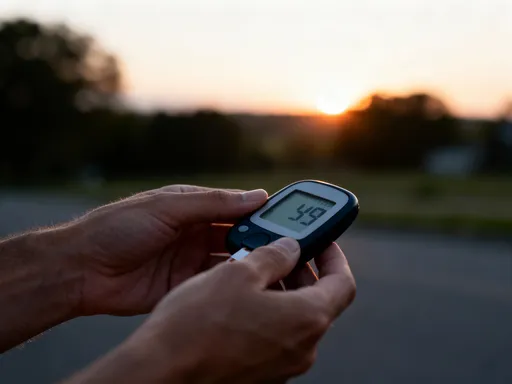
How I Tamed My Blood Sugar — A Real Talk on Staying in Control
Living with unpredictable blood sugar levels used to wreck my energy, mood, and focus. I felt stuck—until I started treating it as a daily system, not a crisis. This isn’t about quick fixes, but building sustainable habits that actually work. If you're tired of guessing what’s spiking your levels, this is for you. What changed wasn’t one big thing, but a series of smart, doable choices. I learned that stability isn’t magic—it’s method. And the most powerful tool wasn’t medication or a drastic diet, but consistency. Over time, I discovered how food, movement, sleep, and stress all weave together in a delicate balance. This is the journey of how I took back control, one mindful decision at a time.
The Wake-Up Call: When Normal Felt Anything But
For years, I dismissed my symptoms as just part of being busy. I was a mother of two, managing a household, working part-time, and constantly on the go. Fatigue? That was normal. Afternoon crashes so deep I needed a nap by 3 p.m.? Just life. Cravings for sweets that felt uncontrollable? I blamed lack of willpower. My brain fog was so routine I didn’t even name it—until one morning, I forgot why I walked into the kitchen. That moment startled me. It wasn’t just forgetfulness. It was a signal.
Looking back, the signs were there. I’d eat what I thought was a healthy breakfast—like a bowl of fruit and yogurt—only to feel shaky and irritable an hour later. I’d skip lunch to save time, then binge on crackers and chocolate in the late afternoon. My energy swung like a pendulum: high, then crashing. I blamed stress, aging, or poor time management. But the pattern was too consistent to ignore. I wasn’t just tired—I was metabolically unsteady.
The turning point came after a routine check-up. My fasting glucose was elevated, and my doctor mentioned prediabetes. I wasn’t diagnosed, but the warning was clear. This wasn’t about weight or appearance. It was about long-term health. I realized I had been treating my body like a machine that could run on empty and still perform. But blood sugar isn’t something you can ignore until it breaks down. The body gives signals long before a diagnosis. For me, those signals were fatigue, cravings, mood swings, and mental fatigue. I finally understood: these weren’t personal failures. They were physiological responses to unstable glucose.
That conversation shifted my mindset. I stopped seeing my symptoms as personal shortcomings and started viewing them as data. My body wasn’t failing me—it was communicating. And once I began listening, I could respond with care instead of criticism. I didn’t need a miracle. I needed a system.
What Blood Sugar Really Does (And Why It Matters Beyond Diabetes)
Blood sugar, or glucose, is the primary fuel for every cell in the body. When we eat carbohydrates, they break down into glucose, which enters the bloodstream. In response, the pancreas releases insulin—a hormone that acts like a key, unlocking cells so glucose can enter and be used for energy. When this system works smoothly, energy levels stay steady, hunger is regulated, and mental clarity remains sharp. But when glucose spikes too high or drops too fast, the entire system becomes strained.
Many people think blood sugar is only a concern for those with diabetes. But metabolic health—the body’s ability to manage glucose effectively—affects everyone. Unstable levels can lead to fatigue, weight gain, skin issues like acne, and even long-term risks such as heart disease and cognitive decline. Even if you’re not diabetic, repeated glucose spikes can cause insulin resistance over time, where cells stop responding well to insulin. This silent shift can begin years before any formal diagnosis.
One common myth is that only sugary foods cause spikes. In reality, many foods—even whole grains, starchy vegetables, and some fruits—can raise glucose, especially when eaten in large portions or without balancing nutrients. Another misconception is that only overweight individuals need to worry. Metabolic health is not solely tied to body size. Thin people can have insulin resistance, and normal-weight individuals can develop prediabetes. The real issue is how the body processes fuel, not just how much fuel is consumed.
Understanding this helped me see blood sugar control as a foundation of wellness, not a crisis response. It’s like maintaining the engine of a car. You don’t wait for the engine light to come on to change the oil. You do it regularly to prevent damage. Similarly, managing glucose daily supports energy, mood, weight, and long-term vitality. It’s not about fear or restriction—it’s about respect for how the body functions.
The System Mindset: Small Shifts, Big Impact
I used to approach health in extremes. I’d try a new diet for two weeks, cut out entire food groups, and then give up when I couldn’t keep up. The cycle left me frustrated and defeated. What changed was shifting from a crisis mindset to a system mindset. Instead of asking, “What can I do to fix this spike?” I started asking, “What can I do every day to stay balanced?” This subtle shift made all the difference.
Consistency beats intensity. One perfect day won’t stabilize blood sugar. But five small, repeatable habits practiced over weeks will. I stopped chasing perfection and started building rhythm. I focused on timing—eating at regular intervals, pairing carbohydrates with protein and fat, and moving after meals. These weren’t dramatic changes, but they created a framework that worked with my life, not against it.
One of the most powerful tools was pattern recognition. I began tracking how I felt after meals—not with a continuous glucose monitor at first, but with a simple journal. I noted what I ate, my energy level, and my mood two hours later. Over time, clear patterns emerged. For example, oatmeal with fruit alone left me hungry and shaky. But oatmeal with nuts and Greek yogurt kept me full and focused. I didn’t need rigid rules. I needed awareness.
Tracking didn’t mean obsession. I didn’t weigh every meal or calculate every carb. Instead, I looked for trends. Which foods gave me steady energy? Which ones led to crashes? This approach removed guilt and replaced it with insight. I learned that blood sugar management isn’t about eliminating foods—it’s about combining them wisely. A system mindset means designing daily habits that support balance, not relying on willpower in the moment.
Food That Works With You, Not Against You
Diet is central to blood sugar control, but it doesn’t require extreme restrictions. I didn’t go low-carb or eliminate sugar completely. Instead, I focused on balance. The most effective meals for me include three key components: fiber, protein, and healthy fats. Fiber slows glucose absorption, protein helps with satiety, and fats support hormone balance and energy stability.
For breakfast, I used to eat toast with jam or a fruit smoothie. Both led to rapid spikes and crashes. Now, I start with scrambled eggs and avocado, or Greek yogurt with chia seeds and a few berries. The difference in energy is remarkable. I’m no longer hungry by 10 a.m. Lunch might be a salad with grilled chicken, olive oil dressing, and quinoa. Dinner often includes fish or lean meat with roasted vegetables and a small portion of sweet potato. The key isn’t deprivation—it’s structure.
Snacks used to be my downfall. I’d reach for granola bars, fruit cups, or yogurt labeled “low-fat,” thinking they were healthy. But many of these are high in added sugars or refined carbs. I learned that “healthy” doesn’t always mean blood-sugar-friendly. Now, I snack on combinations like apple slices with almond butter, cheese with whole-grain crackers, or a handful of mixed nuts. These provide sustained energy without the spike.
One of the most helpful strategies is the “plate method.” I fill half my plate with non-starchy vegetables, a quarter with lean protein, and a quarter with complex carbohydrates. This simple visual guide ensures balance without counting. I also practice mindful eating—chewing slowly, avoiding distractions, and stopping when I’m satisfied, not stuffed. These habits support digestion and insulin response, making it easier to maintain steady levels throughout the day.
Movement as Medicine: No Gym Required
Exercise is often presented as a must—structured, intense, and time-consuming. But for blood sugar control, even gentle movement makes a difference. The most impactful change I made was taking a 10- to 15-minute walk after meals. This simple habit has strong scientific backing. When muscles contract during movement, they can take up glucose from the blood without needing insulin. This means even a short walk can lower post-meal glucose spikes significantly.
I started doing this after dinner, but soon added walks after breakfast and lunch. I didn’t need special gear or a gym membership. I just stepped outside or paced around the house. On rainy days, I walked up and down the stairs or followed a short stretching video. The goal wasn’t fitness—it was glucose support. Over time, I noticed my afternoon energy improved, and my cravings decreased.
Beyond walking, I incorporated more movement into daily life. I stand while folding laundry, stretch during TV commercials, and park farther away when shopping. These small actions add up. Research shows that breaking up long periods of sitting—known as sedentary behavior—can improve insulin sensitivity. Even standing for a few minutes every hour helps. The key is consistency, not intensity.
I also discovered that strength training, even light resistance work, supports blood sugar control. Building muscle increases the body’s capacity to store glucose. I started with bodyweight exercises—squats, wall push-ups, and resistance bands. Doing just 10–15 minutes a few times a week made a noticeable difference. Movement doesn’t have to be hard to be helpful. It just has to be regular.
Sleep, Stress, and the Hidden Triggers
I once thought blood sugar was only about food and exercise. But I underestimated two silent disruptors: sleep and stress. There were weeks when I ate well and walked daily, yet my energy was still low. Then I noticed a pattern—on nights I slept poorly, my next-day readings were higher, even after the same meals. I wasn’t imagining it. Poor sleep directly affects insulin sensitivity. When the body is sleep-deprived, it releases stress hormones like cortisol, which raise glucose levels.
I began prioritizing sleep hygiene. I set a consistent bedtime, limited screen time before bed, and created a calming routine—reading, light stretching, or herbal tea. I also addressed stress, which was a constant in my life. Chronic stress keeps cortisol elevated, which in turn makes insulin less effective. This creates a cycle: stress raises glucose, unstable glucose increases anxiety, and the loop continues.
To break this, I adopted simple stress-management techniques. Deep breathing—inhaling for four counts, holding for four, exhaling for six—helps activate the parasympathetic nervous system, which calms the body. I practiced this for a few minutes each morning and before bed. I also set boundaries with technology, designating “digital downtime” in the evenings. These small shifts reduced my overall stress load and, over time, improved my glucose stability.
Another insight was the role of routine. The body thrives on predictability. Eating meals at consistent times, going to bed and waking up at similar hours, and having daily rituals all support metabolic balance. When life feels chaotic, these anchors provide stability. I learned that self-care isn’t selfish—it’s essential for blood sugar control.
Staying on Track Without Losing Your Mind
Sustainability is the real test of any health change. I’ve had slip-ups—holidays, busy days, emotional eating. But I no longer view these as failures. Progress isn’t linear. What matters is returning to the system, not perfection. I’ve learned to respond with kindness, not criticism. Guilt only adds stress, which worsens glucose control. Compassion supports healing.
Tools helped me stay consistent without becoming obsessive. I used a simple notebook to log meals and how I felt, but I didn’t track every day. I also tried a blood glucose monitor occasionally, not to chase numbers, but to learn patterns. Apps like food diaries or step counters provided gentle feedback, but I didn’t let them dictate my self-worth. The goal was insight, not control.
I also learned to tune into body cues. Hunger, energy, mood, and cravings are all signals. Over time, I became better at reading them. Am I eating because I’m truly hungry, or because I’m tired or stressed? This awareness helped me make wiser choices. I didn’t need gadgets to tell me I was off track—I could feel it.
Finally, I recognized when to seek professional support. While lifestyle changes are powerful, they aren’t a substitute for medical care. If levels remain high despite consistent efforts, or if symptoms like dizziness, frequent urination, or unexplained weight loss occur, it’s important to consult a healthcare provider. Blood sugar management is personal, and what works for one person may not work for another. A doctor can help rule out underlying conditions and guide appropriate testing or treatment.
Conclusion
Blood sugar control isn’t about fear or restriction—it’s about awareness and choice. What started as a health concern became a blueprint for feeling better every day. By seeing it as a system, not a sentence, I gained energy, clarity, and confidence. This isn’t medical advice, but real-life insight: small, steady steps create lasting change. Your body notices—every time you show up. Whether it’s choosing a balanced meal, taking a post-dinner walk, or protecting your sleep, each action builds resilience. Over time, these choices add up to a life where you feel more in control, more present, and more like yourself. And that’s a journey worth taking—one mindful decision at a time.