Why Aging Doesn’t Have to Mean Decline — A Science-Backed Prevention Shift
Aging is inevitable, but how we age is largely within our control. Recent science shows that biological aging isn’t just about time — it’s shaped by daily choices. I used to think diseases like diabetes or heart issues were just “risks of getting older,” until I dug into the research. What I found changed everything: small, consistent habits can powerfully influence our long-term health. This isn’t about chasing youth — it’s about staying strong, sharp, and resilient as we age. The body has an extraordinary capacity to repair, renew, and adapt, especially when supported by intentional lifestyle practices. Understanding this shift — from passive aging to active prevention — is the first step toward a future defined not by decline, but by vitality.
The Hidden Link Between Aging and Disease
At the heart of modern medicine’s biggest challenges lies a common thread: aging. It is the single greatest risk factor for chronic diseases such as heart disease, type 2 diabetes, cancer, and Alzheimer’s. This does not mean aging directly causes these conditions, but rather that the biological changes associated with aging create a fertile environment for them to take root. As cells grow older, their ability to repair damage, regulate inflammation, and maintain proper function diminishes. This gradual decline in cellular resilience is what scientists refer to as “biological aging,” and it operates independently of the calendar.
One key mechanism behind this process is cellular senescence — the state in which cells stop dividing but do not die. These “zombie cells” accumulate over time and secrete inflammatory molecules that damage surrounding tissues. Chronic, low-grade inflammation, often called “inflammaging,” becomes a persistent background signal that disrupts normal organ function and increases disease risk. Simultaneously, DNA damage accumulates due to environmental stressors and natural metabolic byproducts, overwhelming the body’s repair systems. Over decades, these subtle changes erode the body’s defenses, making it more vulnerable to illness.
Understanding this connection reframes how we think about disease prevention. Rather than waiting for symptoms to appear, the focus shifts to supporting the body’s internal maintenance systems long before problems arise. The good news is that while chronological age moves forward uniformly, biological age can be influenced. Lifestyle choices such as diet, physical activity, sleep quality, and stress management have been shown to slow, and in some cases even reverse, markers of biological aging. This means that aging itself is not a passive descent into illness, but a dynamic process that responds to how we live.
For women in their 30s, 40s, and beyond, this knowledge is empowering. Many accept fatigue, weight gain, or memory lapses as unavoidable signs of getting older. But research increasingly shows that these are not inevitable consequences of age — they are often early signals of underlying biological imbalances. By addressing the root causes of cellular aging, it becomes possible to maintain energy, mental clarity, and physical strength well into later life. The goal is not to deny aging, but to age more healthfully, with greater control over one’s long-term trajectory.
Rethinking “Normal” Aging: What Science Really Says
For generations, society has treated memory lapses, joint stiffness, and declining energy as standard features of growing older. But science now challenges this assumption. Studies of populations with exceptional longevity — such as those in Okinawa, Japan, or Sardinia, Italy — reveal that many people reach advanced ages without the chronic diseases or functional decline commonly seen elsewhere. These individuals are not genetic anomalies; their lifestyles play a central role in preserving health. Their experience suggests that much of what we label “normal aging” is actually the result of modifiable lifestyle factors, not an unavoidable fate.
One of the most compelling insights from longevity research is the distinction between chronological age and biological age. Chronological age is simply the number of years a person has lived, while biological age reflects the functional state of their cells, organs, and systems. Two 60-year-olds can have vastly different biological ages based on their habits. Biomarkers such as telomere length — the protective caps on the ends of chromosomes — metabolic health, and inflammatory profiles provide measurable indicators of how well the body is aging. Shorter telomeres, for example, are associated with increased risk of age-related diseases, but lifestyle interventions have been shown to slow their shortening and even promote lengthening in some cases.
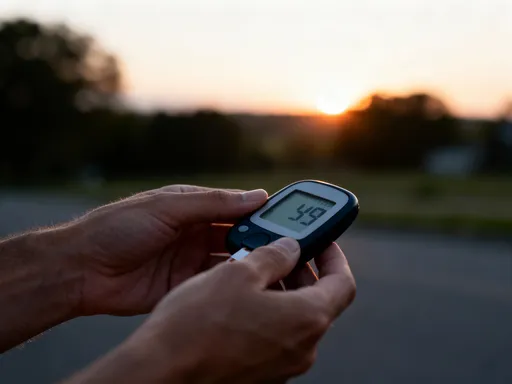
Metabolic health is another critical factor. Insulin resistance, often developing silently over years, underlies many age-related conditions, including type 2 diabetes, cardiovascular disease, and cognitive decline. Yet, studies show that maintaining stable blood sugar through diet and movement can preserve metabolic flexibility — the body’s ability to switch efficiently between fuel sources. This flexibility is a hallmark of younger physiology and can be sustained with consistent habits. Similarly, cognitive sharpness is not predetermined by age. Engaging in mentally stimulating activities, maintaining social connections, and managing cardiovascular risk factors all contribute to brain health and reduce the likelihood of dementia.
The takeaway is clear: aging does not have to mean decline. The body is designed to adapt and regenerate, but it requires the right conditions to do so. Viewing aging as a malleable process, rather than a fixed trajectory, opens the door to proactive health strategies. Women who begin making supportive choices in midlife — or even earlier — position themselves to enjoy greater independence, vitality, and well-being in the decades ahead. It’s not about resisting aging, but about cultivating a body and mind that age with strength and resilience.
The Pillars of Biological Resilience
To age well, the body must maintain its core functional systems. These systems — mitochondrial health, immune regulation, and protein homeostasis — act as pillars of biological resilience. When they operate efficiently, the body can repair damage, fight infection, and sustain energy. When they falter, the risk of chronic disease rises. Fortunately, each of these systems responds positively to lifestyle inputs, meaning that individuals can actively support their long-term function.
Mitochondria, often described as the “cellular power plants,” generate the energy that fuels every bodily process. As people age, mitochondrial efficiency declines, leading to fatigue, muscle weakness, and slower recovery. However, mitochondria are highly responsive to physical activity, particularly aerobic and resistance training. Exercise stimulates the creation of new mitochondria and improves their function, effectively turning back the clock on cellular energy production. Nutrition also plays a role; compounds found in colorful plant foods, such as polyphenols, support mitochondrial health by reducing oxidative stress.
The immune system is another cornerstone of resilience. With age, immune function can become both overactive and underperforming — a paradoxical state known as immunosenescence. This means the body may struggle to fight infections while simultaneously mounting inappropriate inflammatory responses. Chronic inflammation, as previously noted, is a major driver of age-related disease. But lifestyle choices can modulate immune activity. A diet rich in fiber supports a diverse gut microbiome, which in turn regulates immune responses. Adequate sleep and stress management further help maintain immune balance, reducing the risk of both infection and inflammatory conditions.
Protein homeostasis, or proteostasis, refers to the body’s ability to maintain properly folded and functioning proteins. Misfolded proteins accumulate with age and are linked to neurodegenerative diseases like Alzheimer’s. The body has built-in systems — such as autophagy, the cellular “cleanup” process — to remove damaged proteins and recycle components. Fasting, time-restricted eating, and certain types of exercise can activate autophagy, helping to keep cells clean and functional. By supporting these foundational systems, individuals can build a biological environment that resists disease and promotes longevity.
Nutrition That Slows Aging from Within
Diet is one of the most powerful tools for influencing how the body ages. Unlike fad diets that promise quick results but lack sustainability, long-term nutritional patterns rooted in science offer real protection against age-related decline. The focus is not on restriction, but on inclusion — emphasizing whole, nutrient-dense foods that support cellular health, reduce inflammation, and stabilize metabolism.
A whole-food, plant-forward diet forms the foundation of anti-aging nutrition. Fruits, vegetables, legumes, nuts, seeds, and whole grains are rich in antioxidants, fiber, and phytonutrients that protect cells from damage. These compounds neutralize free radicals, support detoxification pathways, and feed beneficial gut bacteria. The gut microbiome, increasingly recognized as a key player in overall health, influences everything from immune function to mood and brain health. A diverse, fiber-rich diet promotes microbial diversity, which is associated with lower inflammation and better metabolic outcomes.
Protein intake is another critical factor, especially as muscle mass naturally declines after age 40. This process, known as sarcopenia, accelerates if protein intake is inadequate. To counter it, experts recommend distributing protein intake evenly throughout the day — a strategy called protein pacing. Including a source of high-quality protein at each meal, such as eggs, fish, poultry, Greek yogurt, or plant-based options like lentils and tofu, helps maintain muscle mass and strength. This not only supports mobility but also preserves metabolic rate, as muscle tissue burns more calories at rest than fat.
Time-restricted eating, a form of intermittent fasting, has also gained attention for its anti-aging benefits. By confining daily food intake to a consistent window — typically 8 to 12 hours — the body enters a longer period of fasting each day. This supports metabolic health by improving insulin sensitivity, reducing inflammation, and activating cellular repair processes like autophagy. For many women, simply stopping eating by early evening and delaying breakfast until mid-morning can yield benefits without requiring drastic changes. The key is consistency and alignment with natural circadian rhythms, which regulate digestion, hormone release, and repair cycles.
Practical meal patterns might include a breakfast of oatmeal with berries and nuts, a lunch of quinoa salad with chickpeas and vegetables, and a dinner of baked salmon with roasted sweet potatoes and broccoli. Snacks could include Greek yogurt, apple slices with almond butter, or a small handful of walnuts. These choices provide sustained energy, support gut health, and deliver the nutrients needed to maintain cellular function over time.
Movement as Medicine: Beyond Just Exercise
Physical activity is perhaps the most potent anti-aging intervention available — and it doesn’t require intense workouts or expensive equipment. The benefits of movement extend far beyond weight management; they reach into the cellular and molecular processes that drive aging. Regular activity strengthens the heart, preserves muscle, sharpens the mind, and reduces systemic inflammation. The key is not intensity, but consistency and variety.
Strength training is especially important for women over 40. After this age, muscle mass decreases at a rate of about 3–8% per decade, accelerating after 60. This loss contributes to frailty, reduced metabolism, and increased fall risk. Resistance exercises — whether using body weight, resistance bands, or weights — help preserve and even rebuild muscle. Just two sessions per week can make a significant difference. Activities like squats, lunges, push-ups, and rows not only build strength but also improve bone density, reducing the risk of osteoporosis.
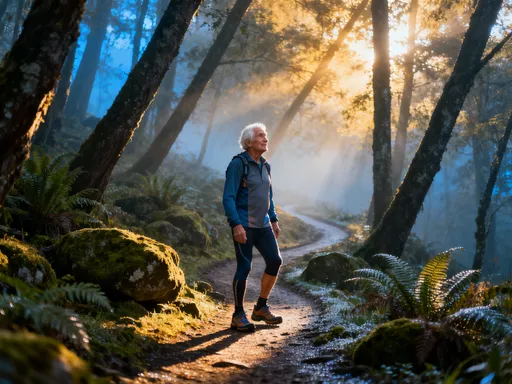
Aerobic exercise, such as brisk walking, cycling, or swimming, supports cardiovascular and brain health. It increases blood flow to the brain, delivering oxygen and nutrients that support cognitive function. Studies show that regular aerobic activity is linked to larger hippocampal volume — the brain region involved in memory — and slower rates of cognitive decline. Even moderate walking for 30 minutes a day has been associated with reduced risk of dementia and improved mood.
Equally important is non-exercise activity thermogenesis (NEAT) — the energy expended during everyday movements like walking, standing, gardening, or cleaning. People who stay active throughout the day, rather than sitting for long periods, tend to have better metabolic health and lower inflammation. Simple habits like taking the stairs, parking farther away, or standing during phone calls can add up. The goal is to move frequently, not just intensely. Movement signals the body to stay metabolically active, improves circulation, and helps regulate blood sugar — especially when done after meals.
Sleep, Stress, and the Aging Mind-Body Connection
Sleep and stress management are often overlooked, yet they are fundamental to healthy aging. Poor sleep and chronic stress accelerate biological aging by disrupting hormonal balance, increasing inflammation, and impairing cellular repair. Cortisol, the primary stress hormone, follows a natural rhythm — high in the morning to promote alertness, low at night to allow rest. But when stress becomes chronic, cortisol levels remain elevated, interfering with sleep, weakening immunity, and promoting fat storage, particularly around the abdomen.
Sleep itself is a critical period for restoration. During deep sleep, the brain clears metabolic waste through the glymphatic system, a process believed to protect against neurodegenerative diseases. Growth hormone is released, supporting tissue repair and muscle maintenance. Disrupted or insufficient sleep impairs these functions, leading to fatigue, brain fog, and increased disease risk. Adults need 7–9 hours of quality sleep per night, yet many fall short due to poor sleep hygiene, screen exposure, or stress.
Improving sleep begins with consistent routines. Going to bed and waking up at the same time every day, even on weekends, helps regulate the circadian rhythm. A wind-down routine — such as reading, gentle stretching, or mindfulness meditation — signals the body that it’s time to rest. Limiting screen time one hour before bed reduces blue light exposure, which suppresses melatonin, the hormone that promotes sleep. Creating a cool, dark, and quiet sleep environment further supports restful sleep.
Stress management is equally vital. Chronic stress wears down the body’s resilience, but it can be mitigated through intentional practices. Mindfulness, deep breathing, and spending time in nature have all been shown to lower cortisol levels and improve emotional regulation. Even simple acts like journaling or talking with a trusted friend can provide relief. The goal is not to eliminate stress — which is impossible — but to build recovery practices that restore balance. Over time, these habits strengthen the mind-body connection, making it easier to navigate life’s challenges without compromising long-term health.
Putting It All Together: A Sustainable Prevention Mindset
Preventing age-related decline is not about radical overhauls or perfection. It’s about making small, sustainable changes that add up over time. The most effective approach is one that integrates seamlessly into daily life — walking after meals, choosing whole foods, prioritizing sleep, and moving the body regularly. These habits are not temporary fixes; they are lifelong investments in health.
The goal is to create a body that can adapt, repair, and thrive. This requires a shift in mindset — from reacting to illness to proactively supporting resilience. It means viewing each meal, movement, and moment of rest as an opportunity to influence biological aging. Women who adopt this perspective often find that they feel more energetic, focused, and capable, not just in the short term, but for years to come.
It’s never too early — or too late — to start. Research shows that even individuals in their 70s and 80s can improve strength, cognitive function, and metabolic health with lifestyle changes. The body’s capacity for renewal does not disappear with age; it simply requires the right support. By focusing on the pillars of nutrition, movement, sleep, and stress management, anyone can take meaningful steps toward a healthier future.
This is not about defying age, but about honoring it — by living with intention, strength, and clarity. Aging does not have to mean decline. With the right choices, it can mean growth, wisdom, and enduring vitality.