What I Ate Every Day When I Was Pregnant — And Why It Actually Mattered
Pregnancy changes everything—especially how you eat. I used to think “eating for two” meant doubling my snacks, but I quickly learned it’s about quality, not quantity. What you consume fuels your baby’s growth, affects your energy, and can even influence your mood. With so much conflicting advice out there, I focused on real, whole foods that made me feel strong and nourished. This is the dietary approach that worked for me—not a strict plan, but a practical, science-backed way of eating that supported my body through each trimester.
The Myth of "Eating for Two" – Why More Isn’t Better
The phrase "eating for two" has long been used to justify larger portions and extra desserts during pregnancy. But in reality, this saying is more myth than medical truth. Most women do not need to double their food intake to support a growing baby. In fact, the actual increase in caloric needs is quite modest. During the first trimester, no additional calories are typically required. It’s only in the second and third trimesters that an extra 300 to 450 calories per day may be recommended, depending on pre-pregnancy weight and activity level. That’s roughly equivalent to a banana with a tablespoon of peanut butter or a small bowl of oatmeal with berries—not an entire second meal.
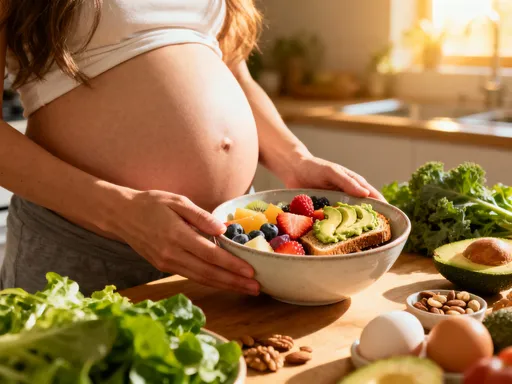
Overeating during pregnancy can lead to excessive weight gain, which is associated with a higher risk of gestational diabetes, high blood pressure, and cesarean delivery. More is not always better when it comes to calories. Instead, the focus should be on nutrient density—choosing foods that deliver the most vitamins, minerals, and beneficial compounds per bite. For example, replacing a bag of potato chips with a quarter of an avocado provides heart-healthy monounsaturated fats, fiber, and essential nutrients like potassium and vitamin E, without the excess sodium and processed ingredients found in many snack foods.
Thinking of food as fuel rather than indulgence helped shift my mindset. Rather than viewing pregnancy as a time to relax dietary standards, I began to see each meal as an opportunity to support my baby’s development. This didn’t mean being perfect—far from it—but it did mean making more intentional choices. I stopped reaching for empty calories and started asking myself: Will this help me or just satisfy a fleeting craving? The answer guided many of my daily decisions and made it easier to resist the pressure to "eat for two."
Building Blocks of a Pregnancy-Supportive Diet – What Your Body Really Needs
A pregnancy-supportive diet isn’t about following a trendy plan or cutting out entire food groups. It’s about including a variety of whole foods that provide the essential nutrients both mother and baby need. These nutrients act as building blocks for everything from brain development to strong bones and a healthy immune system. Among the most important are folic acid, iron, calcium, protein, omega-3 fatty acids, and fiber—each playing a distinct and vital role.
Folic acid, or folate in its natural form, is crucial in the earliest stages of pregnancy, often before a woman even knows she’s pregnant. It helps prevent neural tube defects, such as spina bifida. Leafy greens like spinach and kale, citrus fruits, beans, and fortified whole grains are excellent sources. I made it a habit to start my day with a smoothie that included spinach, banana, and orange juice—tasty, easy to digest, and rich in natural folate.
Iron needs nearly double during pregnancy because the body uses it to make hemoglobin, the protein in red blood cells that carries oxygen. As blood volume expands to support the placenta and growing fetus, iron becomes even more essential. Without enough, fatigue and anemia can develop. Good dietary sources include lean meats, lentils, tofu, and fortified cereals. I found that pairing iron-rich plant foods with vitamin C-rich ones—like lentil soup with a side of bell pepper strips—helped improve absorption.
Calcium is necessary for building the baby’s bones and teeth. If dietary intake is too low, the baby will draw calcium from the mother’s bones, which can impact long-term bone health. Dairy products like yogurt and cheese are reliable sources, but fortified plant milks, canned sardines with bones, and calcium-set tofu also contribute. I enjoyed a small cup of Greek yogurt with honey each afternoon, which also provided protein and probiotics.
Protein supports the growth of fetal tissue, including the brain, and helps the mother’s uterus and breasts expand. I aimed for at least 70 grams of protein daily, spreading it across meals. Eggs, poultry, fish, beans, and nuts were staples. A hard-boiled egg with a piece of fruit made a satisfying mid-morning snack, and grilled salmon with quinoa and vegetables became a weekly dinner favorite.
Omega-3 fatty acids, particularly DHA, are vital for the baby’s brain and eye development. Fatty fish like salmon, mackerel, and sardines are among the best sources. I limited fish to two servings per week to minimize mercury exposure and chose wild-caught options when possible. For days when I didn’t eat fish, I included chia seeds or ground flaxseed in my oatmeal or smoothies—plant-based sources of ALA, a precursor to DHA.
Fiber helps regulate digestion, which often slows during pregnancy due to hormonal changes. It also helps manage blood sugar and prevent constipation, a common discomfort. Whole grains, fruits, vegetables, legumes, and nuts are all rich in fiber. I replaced white bread with whole grain, added beans to salads, and kept sliced apples and carrots on hand for snacking. These small changes made a noticeable difference in how I felt throughout the day.
First Trimester Survival Mode – Managing Nausea Without Sacrificing Nutrition
The first trimester can feel like a battle between nausea and the need to eat. Morning sickness, despite its name, often strikes at any time of day and can make even the smell of food unbearable. I remember waking up with a queasy stomach and the thought of breakfast making me want to hide under the covers. But I knew I had to find a way to nourish myself—even if it meant eating very little at a time.
One of the most effective strategies I discovered was eating small, frequent meals. Instead of three large meals, I ate five or six tiny ones throughout the day. This kept my blood sugar stable and prevented the empty-stomach nausea that often triggered vomiting. I kept a stash of plain saltine crackers by my bed and ate a few before getting up in the morning. This simple habit made a surprising difference in how I started the day.
Bland, starchy foods were my go-to during this phase. Toast, plain rice, bananas, and baked potatoes were easy to keep down and provided some energy. I avoided greasy, spicy, or strongly scented foods, which were almost guaranteed to set off my nausea. Hydration was another challenge. Drinking large amounts of water at once often made me feel worse, so I sipped on small amounts throughout the day. Herbal ginger tea and lemon water became my favorites—they were soothing, helped settle my stomach, and added variety to plain water.
Ginger, in particular, seemed to have a calming effect on my digestive system. I drank ginger tea, chewed on crystallized ginger, and even added fresh ginger to warm water with a squeeze of lemon. While I didn’t expect miracles, these small comforts made it easier to get through the toughest weeks. I also found that eating something dry and simple before brushing my teeth helped prevent gagging—a trick I wish I’d known earlier.
Despite the challenges, I reminded myself that this phase was temporary. I didn’t need to meet every nutritional goal every day. The key was consistency over time. If I could keep even a few crackers and a cup of broth down, that was a win. As the weeks passed, the nausea gradually eased, and I began to feel more like myself again.
Second Trimester Momentum – Fueling Growth with Balanced Meals
If the first trimester was about survival, the second felt like a rebirth. The nausea lifted, my energy returned, and for the first time, I began to feel excited about food again. This period is often called the "honeymoon phase" of pregnancy, and it’s a powerful opportunity to build healthy eating habits that support the baby’s rapid growth.
Now that my appetite had returned, I focused on balance. Each meal became a chance to include a mix of protein, complex carbohydrates, and healthy fats. This combination helps stabilize blood sugar, prevents energy crashes, and keeps hunger at bay. I learned that skipping meals or relying on simple carbs like white bread or sugary snacks often led to mid-afternoon fatigue and increased cravings.
Breakfast, once a struggle, became my favorite meal. I loved a bowl of steel-cut oats topped with sliced banana, a sprinkle of cinnamon, and a tablespoon of almond butter. This meal provided slow-digesting carbs, fiber, healthy fats, and a moderate amount of protein—everything I needed to start the day feeling full and focused. On busy mornings, I prepped overnight oats the night before, which made breakfast effortless.
Lunch was often a large salad with mixed greens, grilled chicken, chickpeas, cucumbers, and a drizzle of olive oil and lemon juice. I made sure to include a source of iron and vitamin C in every lunch to boost absorption. Sometimes I swapped the salad for a whole grain wrap with hummus, turkey, and spinach—a portable option when I was on the go.
Dinner was a time for warm, comforting food. I enjoyed dishes like baked salmon with roasted sweet potatoes and steamed broccoli, or stir-fried tofu with brown rice and vegetables. I cooked with herbs and spices instead of heavy sauces to keep meals flavorful but not overly rich. Portion sizes were moderate—enough to satisfy, but not so large that I felt sluggish afterward.
Snacks were still important, but now they were more about sustaining energy than preventing nausea. I kept a rotation of hard-boiled eggs, cheese sticks, apple slices with peanut butter, and trail mix on hand. These options were nutrient-dense and easy to grab when hunger struck between meals.
Third Trimester Comfort – Eating to Reduce Bloating and Support Energy
By the third trimester, the baby’s size began to take up more space, leaving less room for food—and digestion became more complicated. Heartburn, bloating, and constipation were common complaints, and I experienced my fair share. The challenge now was to eat enough to stay nourished while minimizing discomfort.
One of the most helpful changes I made was to eat even smaller meals more frequently—sometimes five or six times a day. Large meals put pressure on my stomach and often led to heartburn, especially when lying down. Instead, I focused on portion control and mindful eating, chewing slowly and stopping before I felt completely full. I also avoided eating within two to three hours of bedtime, which reduced nighttime acid reflux.
Fiber and fluids were more important than ever. Constipation, caused by slowed digestion and iron supplements, was a persistent issue. I made sure to drink at least eight to ten glasses of water daily and included high-fiber foods like prunes, pears, oats, and beans in my diet. A small bowl of warm oatmeal with prunes in the morning often did wonders for regularity.
I also paid attention to posture during meals. Sitting upright and avoiding slouching helped with digestion and reduced pressure on my stomach. After eating, I took a short walk around the house, which encouraged gentle movement and supported bowel function.
Despite the physical challenges, I stayed committed to eating foods that gave me lasting energy. Refined sugars and processed snacks led to quick spikes and crashes, leaving me tired and irritable. Instead, I chose whole foods that provided sustained fuel. A snack of Greek yogurt with chia seeds and blueberries, for example, kept me full for hours and supported gut health.
This trimester taught me the importance of listening to my body. Hunger cues were sometimes hard to interpret, but I learned to distinguish between true hunger and emotional eating. Eating slowly allowed me to recognize when I was satisfied, not stuffed. It was a practice in patience and self-awareness—one that I knew would serve me well beyond pregnancy.
Smart Swaps and Craving Management – Healthy Choices Without Deprivation
Certainly, no discussion of pregnancy eating would be complete without addressing cravings. They came on strong—sometimes for salty chips, sometimes for chocolate, and once, inexplicably, for pickles and ice cream together. While cravings can be intense, I found that they didn’t have to derail healthy eating. The key was balance, not denial.
Instead of resisting every urge, I looked for smarter alternatives that satisfied the craving without compromising nutrition. When I craved something sweet, I reached for a square of dark chocolate (70% cocoa or higher) instead of a candy bar. It was rich, satisfying, and contained less sugar and more antioxidants. Sometimes, a bowl of fresh berries with a drizzle of honey felt just as indulgent.
For creamy cravings, I chose plain Greek yogurt sweetened with a little honey and topped with granola or fruit. It gave me the texture and coolness of ice cream but with protein, calcium, and probiotics. If I wanted something crunchy and salty, I grabbed a handful of roasted almonds or air-popped popcorn instead of potato chips. These swaps didn’t feel like punishment—they felt like choices that respected my body.
I also became more aware of how blood sugar fluctuations could trigger cravings. Skipping meals or eating too many refined carbs often led to sudden hunger and intense sugar cravings. By maintaining steady blood sugar with balanced meals and snacks, I noticed that my cravings became less frequent and more manageable.
There were days when I simply wanted the real thing—a slice of pizza, a piece of cake—and I allowed myself to enjoy it without guilt. Deprivation only led to overeating later. The goal wasn’t perfection, but progress. What mattered most was the overall pattern of eating, not a single meal or snack. Flexibility and self-compassion were just as important as nutrition.
Final Thoughts – Nourishment as an Act of Love
Looking back, the way I ate during pregnancy was one of the most meaningful forms of self-care I practiced. It wasn’t about strict rules or achieving an ideal body. It was about honoring the incredible process happening inside me and giving my baby the best possible start. Every bite of food became a quiet act of love—a way of saying, "I am here for you."
I didn’t follow a perfect diet. There were days when fatigue won and dinner was toast. There were moments of indulgence and times when I ate more out of stress than hunger. But over time, consistency and variety carried me through. I learned to tune in to my body’s needs, to eat with intention, and to let go of guilt when things didn’t go as planned.
Nutrition during pregnancy isn’t one-size-fits-all. What worked for me may need to be adjusted for another woman’s health, preferences, or cultural background. That’s why it’s essential to consult with a healthcare provider or registered dietitian to create a personalized plan. They can help address specific concerns, such as gestational diabetes or food allergies, and ensure that both mother and baby receive the support they need.
Ultimately, eating well during pregnancy is not about perfection. It’s about making thoughtful choices, most of the time, that nurture both body and spirit. It’s about building habits that can extend beyond the nine months—into motherhood and beyond. By focusing on real, whole foods and listening to the wisdom of your body, you create a foundation of health that benefits not only your baby but yourself. And that, perhaps, is the greatest gift of all.