What I Learned from My Qigong Mistakes: Hidden Signs Your Body’s Talking
I started qigong for better energy and less stress, but at first, I saw no changes—frustrating, right? I pushed too hard, ignored subtle signals, and almost quit. Then I realized: real progress isn’t about perfect form, it’s about listening to your body’s quiet messages. Things like sleep quality, breath rhythm, and mental clarity are powerful health indicators most of us overlook. This is what finally made qigong work for me. Healing doesn’t announce itself with fireworks. It whispers—in the way you wake up, how you breathe through a tense moment, or the quiet calm that settles after a simple practice. Once I stopped chasing dramatic shifts and began paying attention to these gentle cues, everything changed. This is not just a story about movement; it’s about awareness, patience, and learning to hear what your body has been saying all along.
The Misconception That Almost Made Me Quit
When I first began practicing qigong, I expected immediate results—more energy, less anxiety, a sense of inner peace that would settle in within weeks, if not days. Like many beginners, I believed that if I followed the instructions correctly, the benefits would be obvious and fast. But after two weeks of daily practice, I felt nothing. No surge of vitality, no sudden calm, no emotional release. Just silence. I began to question whether I was doing it right, whether my body was too stiff, my mind too busy, or if qigong simply wasn’t for me. The lack of visible change made me want to stop.
What I didn’t understand then was that qigong does not operate like a quick-fix remedy. Unlike intense workouts that leave you sweaty and breathless or meditation apps that promise instant relaxation, qigong works in subtle, cumulative ways. Its effects are not always dramatic but are deeply transformative over time. The turning point came when I spoke with an experienced practitioner who reminded me that healing is rarely loud. It doesn’t come with fanfare. Instead, it reveals itself in small, often overlooked shifts—how quickly you recover from a stressful phone call, how deeply you sleep, or how little you react to minor inconveniences.
This new perspective changed how I measured progress. Instead of asking, “Do I feel amazing?” I began asking, “Did I sleep more soundly last night?” or “Was I able to pause before reacting when my child spilled juice on the floor?” These small indicators became my new benchmarks. I started keeping a simple journal, noting changes in my energy levels, mood stability, and ability to stay present. Within a few weeks, patterns emerged. I was waking up more refreshed. My afternoon fatigue was less intense. I noticed that moments of tension passed more quickly. These weren’t grand transformations, but they were real—and they mattered.
Ignoring Early Warning Signs: My Body Was Talking, I Wasn’t Listening
In those early days, I treated qigong like a physical challenge. I believed that more practice meant better results, so I pushed myself to complete longer sessions, sometimes holding postures longer than felt comfortable. I ignored the stiffness in my shoulders, the tightness in my lower back, and the mental fog that followed certain routines. I assumed discomfort was part of the process, a sign that I was “working hard.” But unlike strength training or cardio, qigong is not about pushing through resistance. It’s about cultivating awareness, softness, and ease.
What I eventually learned is that persistent discomfort after practice is not normal—it’s a signal. The body communicates through sensations: a slight ache, a feeling of heaviness, a restless mind, or disrupted sleep. These are not signs of failure but messages that something needs adjustment. For me, the wake-up call came when I began experiencing light headaches and irritability after morning sessions. At first, I dismissed them as unrelated. But when they continued for several days, I paused and reflected. I realized I had been practicing too long, too intensely, and without enough attention to my breath or alignment.
When I shortened my sessions and focused on gentler movements, the symptoms disappeared. More importantly, I began to notice positive changes. My shoulders relaxed. My breathing deepened. I felt more grounded throughout the day. This taught me a crucial lesson: qigong is not about endurance. It’s about attunement. The practice invites you to slow down, to observe, and to respond with care. When you ignore the body’s early warnings, you risk undermining the very benefits you’re seeking. But when you listen—when you honor fatigue, tension, or mental resistance—you create space for true healing to unfold.
The Myth of “More Practice = Better Results”
Like many people drawn to wellness practices, I once believed that consistency meant long, daily sessions. I set a goal of 45 minutes every morning, convinced that only sustained effort would yield results. I followed complex sequences, moved through multiple forms, and tried to maintain perfect posture throughout. Yet, instead of feeling more energized, I often felt drained. My concentration suffered. My mood became more fragile. I was doing everything “right,” yet something was clearly wrong.
It wasn’t until I read research on nervous system regulation that I began to understand what was happening. The autonomic nervous system, which controls stress and relaxation responses, thrives on balance. While intense or prolonged practices can activate the sympathetic nervous system—the “fight or flight” response—gentle, mindful movement supports the parasympathetic system, which promotes rest and recovery. I had been overstimulating my nervous system without realizing it. My longer sessions weren’t calming me; they were subtly stressing me.
Studies and expert guidance suggest that short, focused qigong practices—around 10 to 15 minutes—can be more effective than longer, less mindful ones. The key is not duration but presence. When I shifted to shorter sessions with full attention on breath, posture, and intention, the difference was noticeable within days. My mental clarity improved. My energy felt steadier. I was less reactive to daily stressors. I also found it easier to stay consistent because the practice no longer felt like a burden. This taught me that quality always trumps quantity. A brief, intentional session done with awareness can do more for your well-being than an hour of distracted movement. True progress in qigong comes not from how long you practice, but how deeply you engage with each moment.
Misreading Progress: It’s Not About Flexibility or Stillness
At first, I measured my success by physical performance. Could I hold the horse stance longer? Could I sink lower into my squat? Could I sit completely still for ten minutes? I compared myself to others in videos and classes, feeling discouraged when I couldn’t match their ease or grace. I thought that mastery meant perfect form, absolute stillness, and flawless transitions. But this focus on external performance missed the essence of qigong. Real progress isn’t visible in how low you can go or how still you can sit. It shows up in how you live your life.
True indicators of qigong’s impact are internal: a quieter mind, a calmer nervous system, and greater emotional resilience. For example, I began to notice that I no longer felt overwhelmed by a full inbox. I could pause, take a breath, and respond instead of reacting. My digestion improved. I experienced fewer tension headaches. I felt more present with my family. These changes didn’t happen overnight, but they were profound. They reflected a deeper integration of mind, body, and breath—a state of balance that no amount of physical perfection could provide.
Once I shifted my focus from appearance to sensation, my practice deepened. I stopped trying to “perform” and started learning to feel. I paid attention to the warmth in my palms, the gentle rise and fall of my abdomen, the sense of openness in my chest. These subtle experiences became more meaningful than any physical achievement. I also learned that progress is not linear. Some days, my body felt heavy. Other days, my mind raced. But instead of judging these moments, I began to see them as part of the process. Qigong isn’t about fixing or forcing. It’s about meeting yourself where you are, with kindness and curiosity.
Skipping the Foundation: Why Alignment Matters More Than Movement
One of my biggest early mistakes was rushing into complex forms without mastering the basics. I wanted to learn flowing sequences and dynamic movements, so I skipped the foundational stances and alignment principles. I assumed that as long as I was moving, I was benefiting. But without proper structure, my movements were inefficient and sometimes uncomfortable. I felt ungrounded, unbalanced, and disconnected from my center. It wasn’t until I returned to the basics that I experienced real change.
Proper alignment is not just about looking correct—it’s about function. When your feet are grounded, your knees are aligned, your spine is neutral, and your shoulders are relaxed, energy can flow more freely. This creates a stable foundation for all movements. I began spending more time in simple postures like Wuji (the “void” stance), focusing on how my weight distributed through my feet, how my pelvis tilted, and how my breath moved through my body. These small adjustments made a significant difference. I felt more centered. My movements became smoother. My endurance improved.
Experts emphasize that alignment supports both physical and energetic health. Misalignment can lead to strain, fatigue, or even injury over time. But when the body is properly aligned, movement becomes effortless, and the mind naturally calms. I also discovered that good posture isn’t rigid—it’s dynamic. It allows for slight shifts and micro-movements that keep the body alive and responsive. By prioritizing alignment, I transformed my practice from a series of motions into a living, breathing experience. The foundation wasn’t boring—it was essential. And once I built it, everything else became easier.
The Forgotten Role of Breath: Not Just Background Noise
For a long time, I treated breathing as something automatic, something that happened in the background while I focused on movement. I would occasionally remember to “breathe deeply,” but I didn’t integrate it into my practice. I didn’t realize that breath is not just a support for qigong—it is the core of it. Without conscious breathing, the movements lose their power. The breath is the bridge between mind and body, the rhythm that coordinates internal and external flow.
When I finally began to synchronize my movements with slow, deep, diaphragmatic breathing, I felt a shift almost immediately. My nervous system calmed. My focus sharpened. I felt more connected to my body. Shallow or irregular breathing, on the other hand, can keep the body in a state of low-grade stress, even during gentle movement. I learned that optimal qigong breathing is smooth, even, and quiet—like a gentle tide rising and falling. It should never feel forced.
Over time, I developed a simple breath practice: inhaling for four counts, holding lightly for two, exhaling for six, and pausing briefly before the next inhale. This pattern, repeated during stillness or movement, helped regulate my autonomic nervous system and deepen my awareness. I also noticed that my breathing outside of practice improved—more relaxed, more rhythmic, less shallow. This reinforced the idea that qigong isn’t confined to a session. It’s a way of being. When breath becomes intentional, it transforms not just the practice, but the practitioner.
How to Track Real Progress: A Practical Guide to Body Signals
Today, I no longer measure my qigong practice by time, form, or physical ability. Instead, I track four key indicators that reflect true well-being: sleep quality, emotional balance, breath depth, and energy rhythm. These are not flashy metrics, but they are reliable. I ask myself: Did I fall asleep more easily last night? Did I wake up feeling rested? Was I able to stay calm during a stressful moment? Did my breath feel smooth and deep during practice? Do I have steady energy throughout the day, or do I crash in the afternoon?
I record these observations in a simple weekly journal. I don’t aim for perfection—just honesty. Some weeks, progress is clear. Other weeks, I notice setbacks. But each entry helps me stay aware and make adjustments. For example, if I notice poor sleep or irritability, I reduce session length, focus on restorative postures, or take a day off. If I feel energized and focused, I may explore new movements or extend my practice slightly. This feedback loop keeps my practice aligned with my body’s needs.
Research supports the value of self-monitoring in wellness practices. Tracking subjective experiences builds self-awareness and reinforces positive habits. It also prevents burnout by encouraging responsiveness over rigidity. I’ve learned that consistency doesn’t mean practicing every day no matter what. It means showing up with awareness, even if that means doing less. True progress in qigong is not about how much you do, but how well you listen. The body speaks in whispers—through breath, sensation, mood, and rhythm. When you learn to hear it, the practice becomes not just a routine, but a conversation.
Conclusion: Wisdom in the Subtle Shifts
Looking back, the most valuable lessons from my qigong journey weren’t about perfect technique or long sessions. They were about patience, attention, and self-compassion. The pitfalls I faced—expecting quick results, pushing too hard, misjudging progress—are common. But each mistake taught me something essential. I learned that real change is quiet. It doesn’t shout. It reveals itself in better sleep, calmer mornings, and a deeper connection to my breath. It shows up in how I respond to stress, how I carry myself, and how I feel in my own skin.
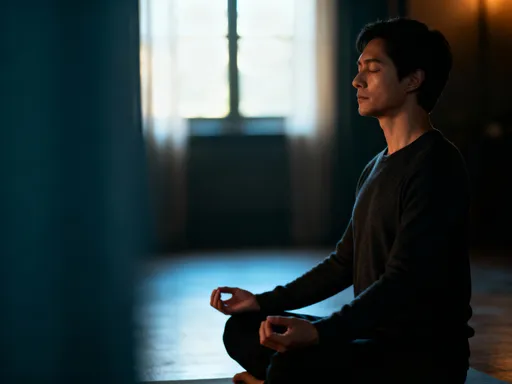
Qigong is not a performance. It’s a practice of presence. It invites you to slow down, to notice, and to respond with care. The body is always communicating—through tension, through ease, through rhythm. When you stop trying to force change and start listening, you begin to move in harmony with yourself. This isn’t about fixing what’s broken. It’s about nurturing what’s already there. It’s about honoring your energy, your limits, and your unique path.
If you’re new to qigong, or if you’ve struggled to see results, know this: you don’t need to do more. You need to pay attention. Let go of comparisons. Release the need for dramatic change. Instead, tune into the subtle shifts—the way your breath deepens, the way your shoulders relax, the way your mind settles. These are the true signs of progress. They are quiet, but they are powerful. And they are always available, if you’re willing to listen. Let your body lead. Trust the process. And allow healing to unfold, one gentle breath at a time.